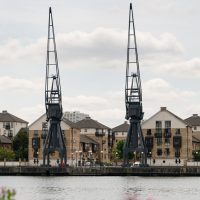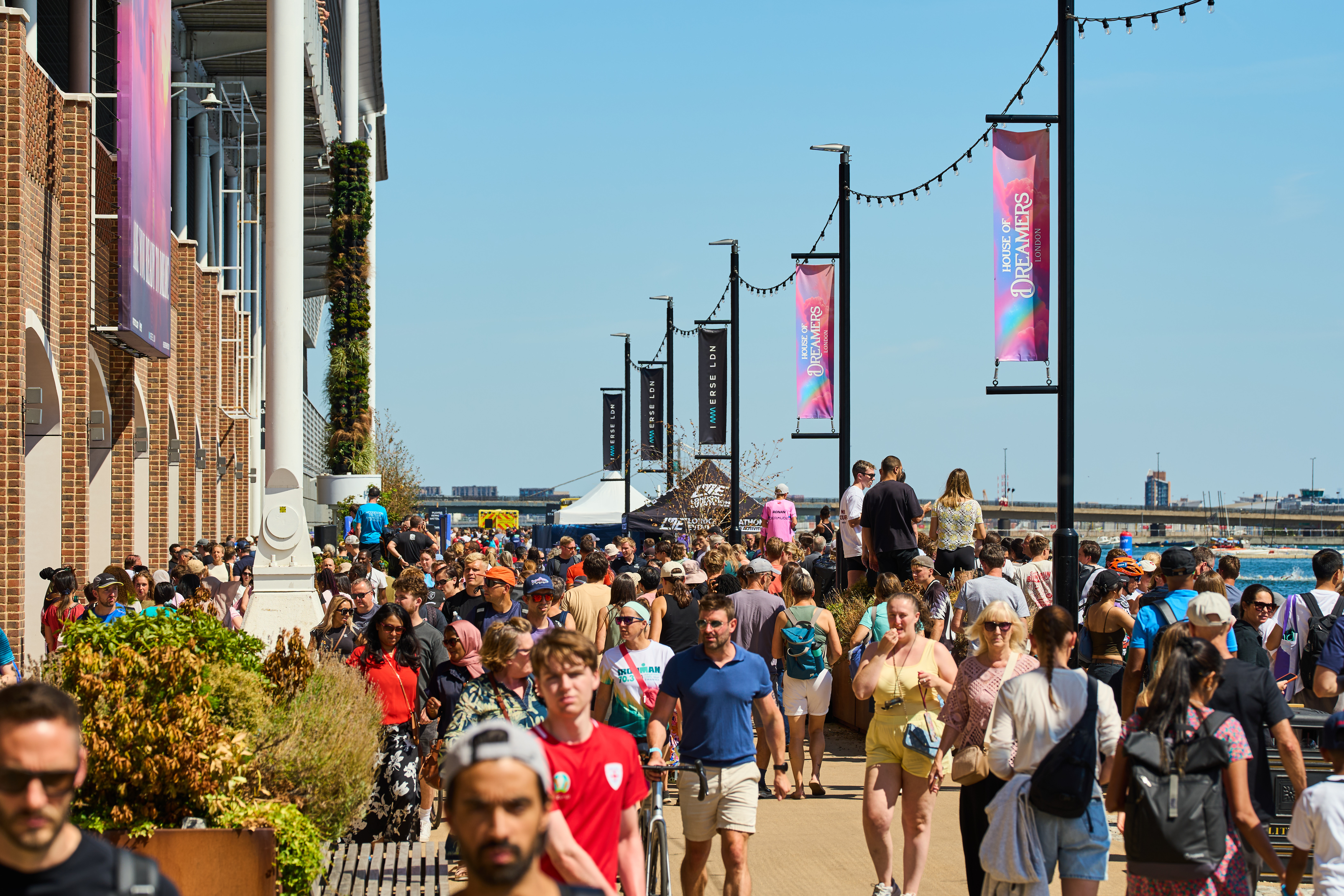
London's most animated waterfront
The Royal Docks is unlike anywhere else in London. Just 15 minutes from central London, it's home to major festivals, watersports, immersive experiences, independent food and a growing cultural scene. Already attracting more than eight million visitors each year, it's a waterfront destination that's rapidly coming into its own.
Overview
A home for enterprise, creativity and culture, the vast expanse of water at the centre of the Royal Docks remains one of its most appealing assets, offering a spectacular backdrop for the area’s regeneration.
Wander along the water’s edge, enjoy spectacular views over the Thames and the rest of London from the London Cable Car, and explore the cafés and artist studios in the diverse, creative neighbourhoods that are redefining this area of the capital.
When completed, this attractive urban environment will collectively deliver 30,000 new and affordable homes – connected with beautifully designed public spaces and anchored around its vibrant waterscape.
Activities
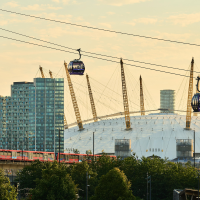
London Cable Car
This cable car flying between the Royal Docks and North Greenwich offers panoramic views of the river.

Food & Drink
Café Spice Namasté
Cafe Spice Namaste, Royal Albert Wharf's new neighbourhood restaurant, is now officially open.
Business
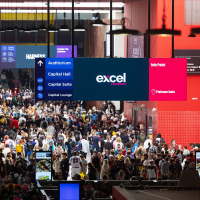
Excel London
The international convention centre has hosted everything from Comic Con to the Olympics.

Food & Drink
The Windjammer
The Windjammer is a stunning pub with a big focus on fresh, seasonal food, a community atmosphere and exceptional service.
The history of the Royal Docks
The Royal Docks were once the beating heart of the UK’s shipping industry. When London needed new docks to handle its surging shipping traffic, this former marshland was chosen as the home for an incredible feat of engineering.
Wider and deeper than anything seen before, the Royal Docks actually comprises three docks: Royal Victoria, Royal Albert and King George. They served as London’s main goods port between 1855 and 1981.
Today, the Royal Docks is reclaiming its historic vibrancy, with an added focus on sustainability, inclusion and quality of life. The presence of surviving dock infrastructure provides a unique physical and historical context for the area’s regeneration, underpinning its renaissance as a cultural centre.

Timeline
1855-1921
Victoria Dock opens to relieve London’s crowded and chaotic waterways with a third dock, King George V, added in 1921.
1939-1981
The Royal Docks operate throughout WWII despite severe damage, eventually closing to commercial traffic.
1987-2012
The DLR and London City Airport open, later followed by Excel London. The Cable Car is opened in 2012.
2018-2022
The Royal Docks is reborn as a new commercial centre with a new team established in 2018 to oversee the project.
2022-2027
City Hall relocates to the Royal Docks in 2022, the Silvertown regeneration scheme receives new investment in 2025.
2030s
New major developments, infrastructure and Floating Wellness centre help to re-establish the Royal Docks as a London's most exciting neighbourhood.
Great Activities in the Royal Docks
The people of the Royal Docks are changemakers. Entrepreneurs, families, landowners, creatives, businesses and communities are all working in partnership to tell their story, weave it together with the area’s extraordinary past, and create an incredibly progressive and sustainable vision for the future.
View all