Why the Royal Docks?
The Royal Docks is embarking on an exciting new chapter, with over £8bn being invested in the area over the next 20 years. Here’s the full story on how the Royal Docks offers a different way to live, work, and invest in London.
The space to succeed and grow
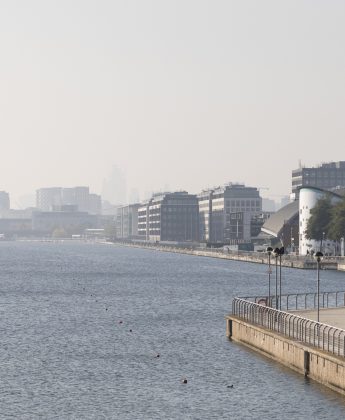
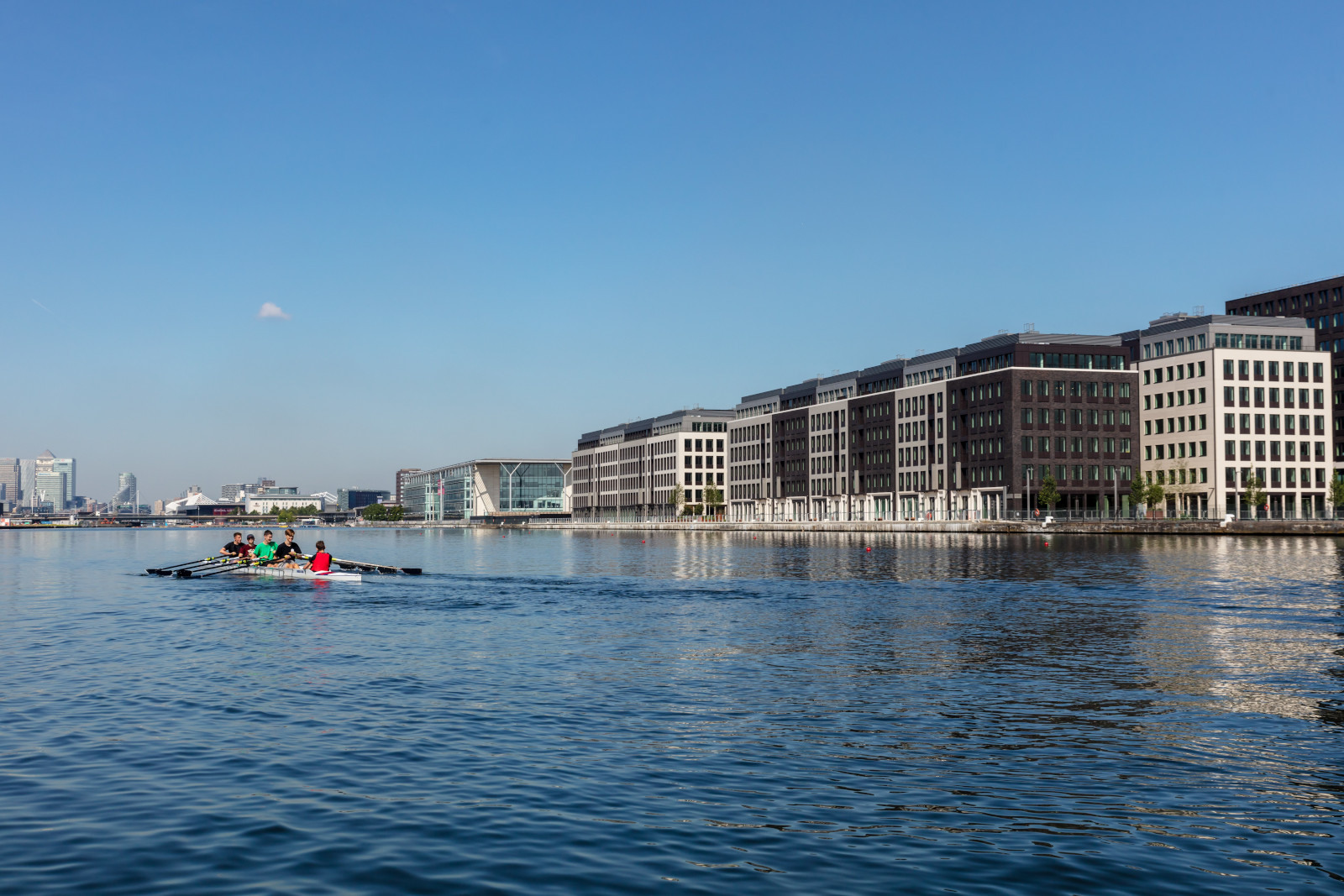
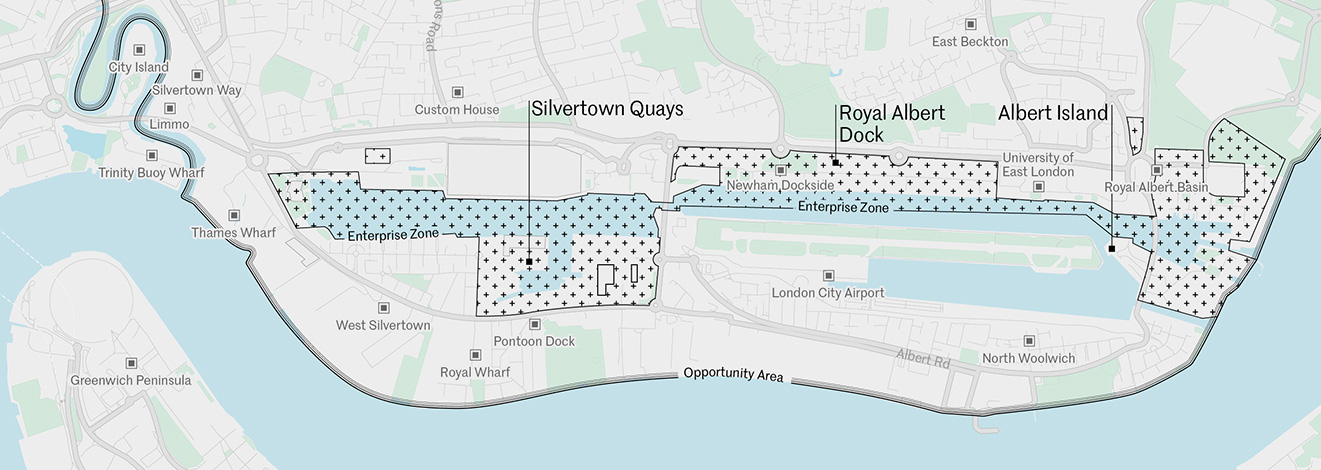
At over 1,200 acres of land, with 250 acres of water and nearly 12 miles of waterfront, the area is the most important and most exciting regeneration project in London. Uniquely, it is also the meeting point of two growth corridors, an Opportunity Area, and London’s only Enterprise Zone, making it poised for rapid growth.

Travel times
minutes from Custom House
Royal Docks on the
Elizabeth Line
-
- Heathrow
- 52
-
- Paddington
- 21
-
- Bond Street
- 17
-
- Farringdon
- 12
-
- Liverpool Street
- 10
-
- Custom House
Royal Docks
- Custom House
-
- Woolwich
Arsenal - 4
- Woolwich


Our unique industrial London landscape
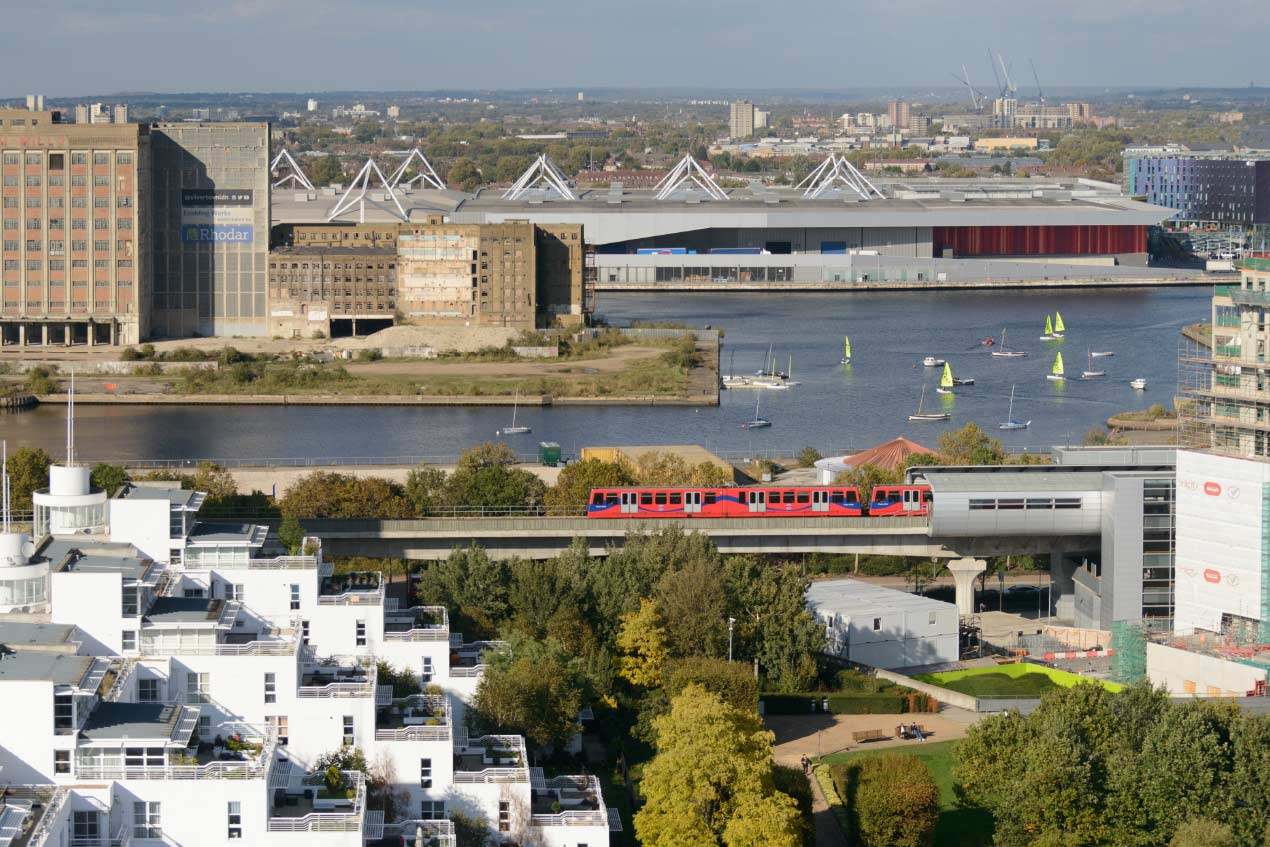
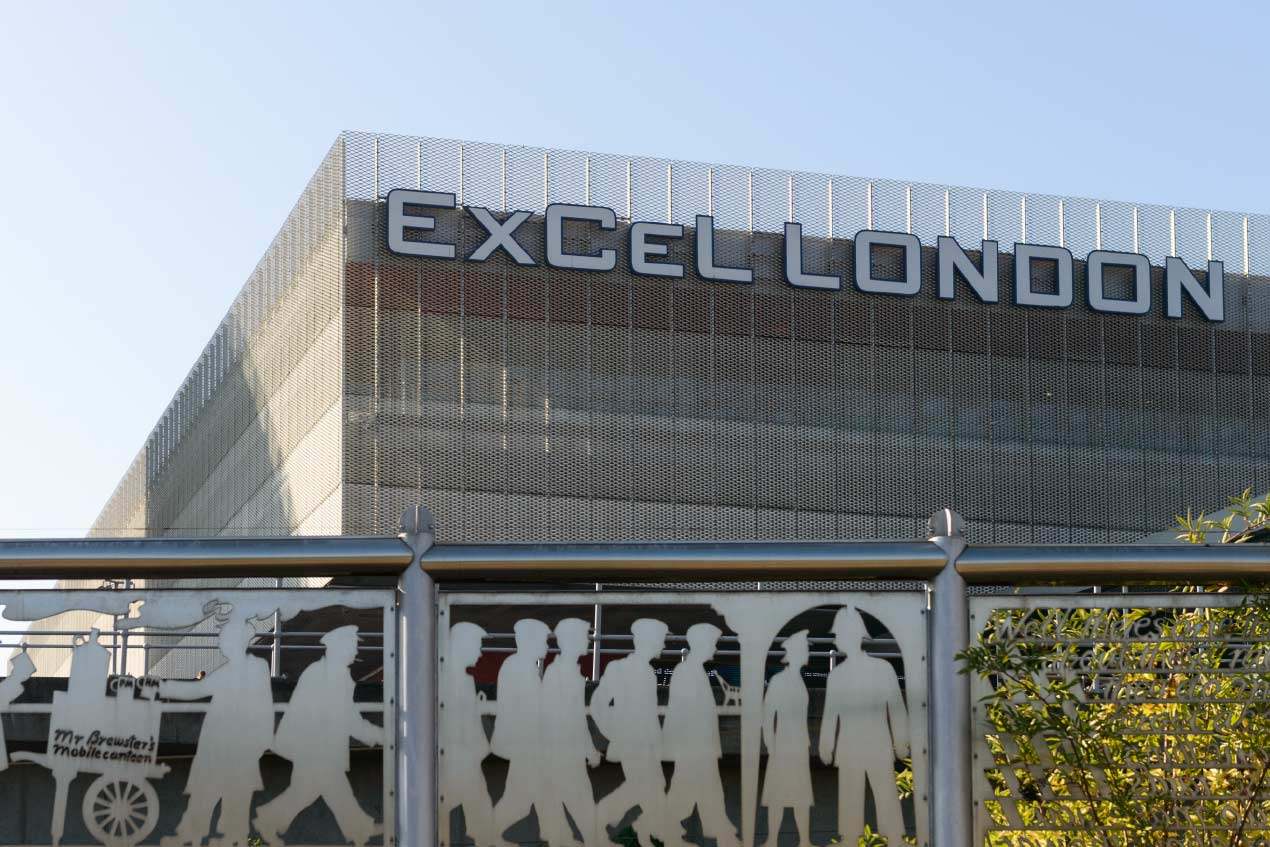
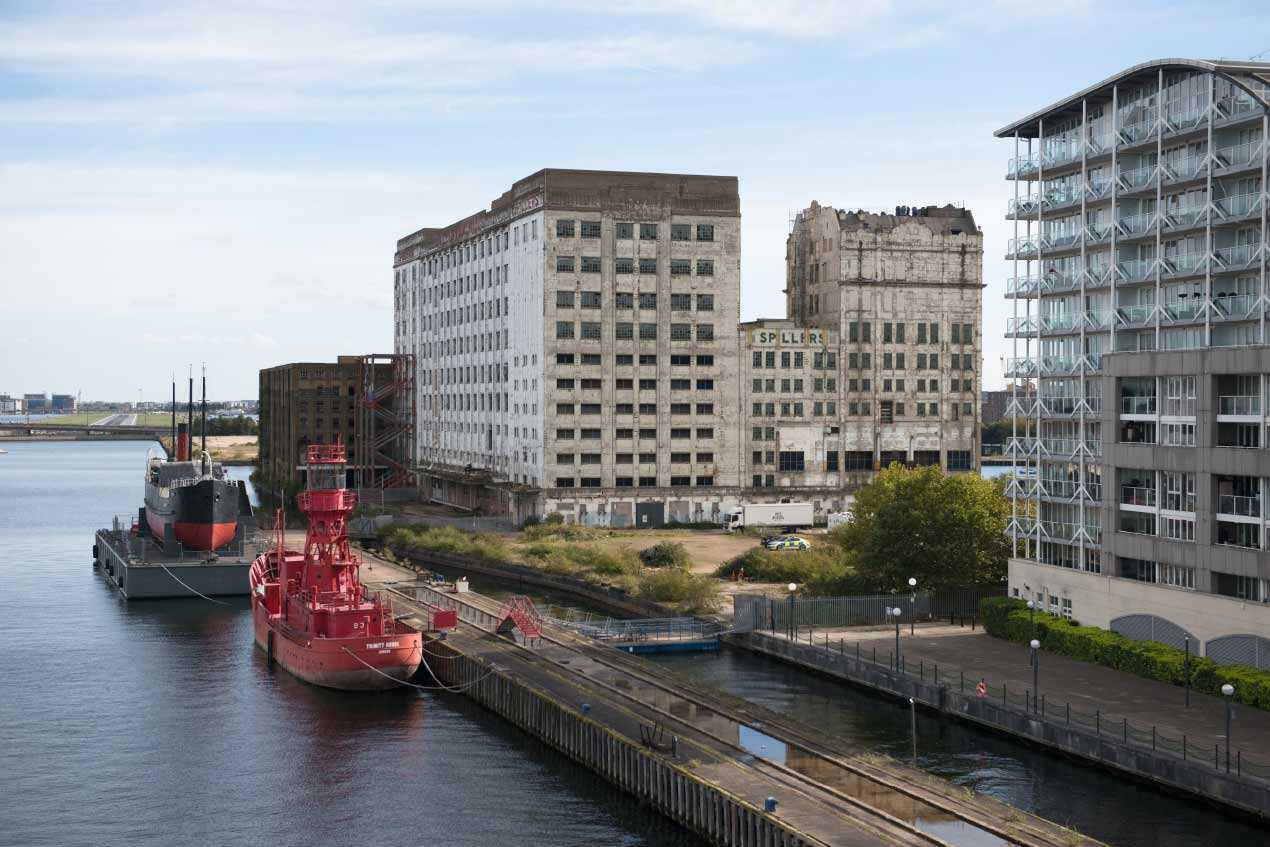
Built at an unprecedented scale in the late 19th and early 20th centuries, the Royal Docks includes a range of listed historical buildings, from the preserved dockworkers' canteen to the iconic Millennium Mills. This derelict flour mill is currently undergoing major renovation as part of the £3.5bn redevelopment of Silvertown and looks set to stage London’s creative future.

The team
We are the Royal Docks team, a joint initiative from the Mayor of London and Mayor of Newham.
The Royal Docks is London’s most important and ambitious regeneration project and the team — established in 2017 — is working collaboratively with key stakeholders and local communities in the Royal Docks to ensure the area’s successful transformation.
In June 2018, a £314 million investment programme for the Royal Docks was given the green light. The planned investment will revive the Royal Docks into a world-leading business and visitor destination – generating thousands of new homes, workspaces and highly-skilled jobs over the next five years.
The developments
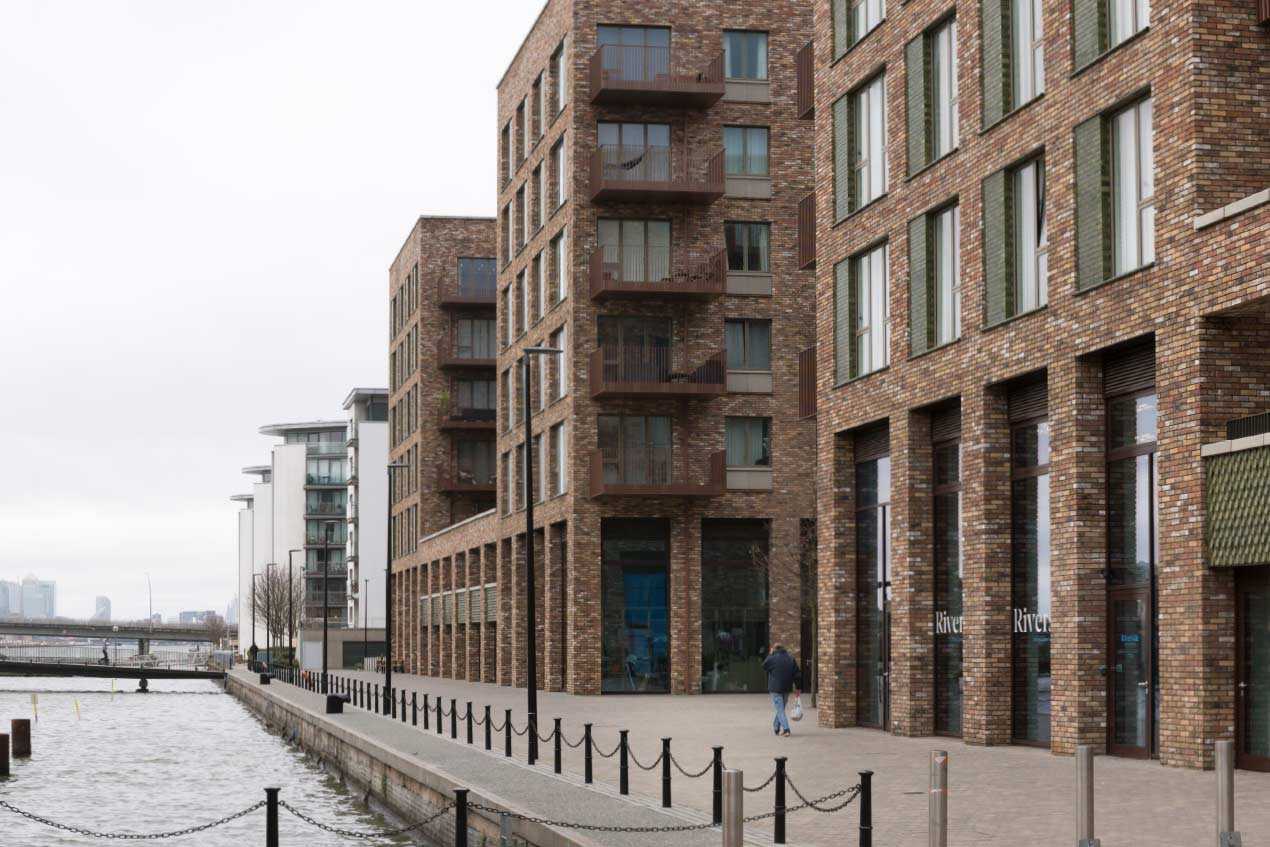
Thousands of new homes and workspaces are in development across a number of brand new, mixed-use neighbourhoods. Find out more about all the developments in the Royal Docks.
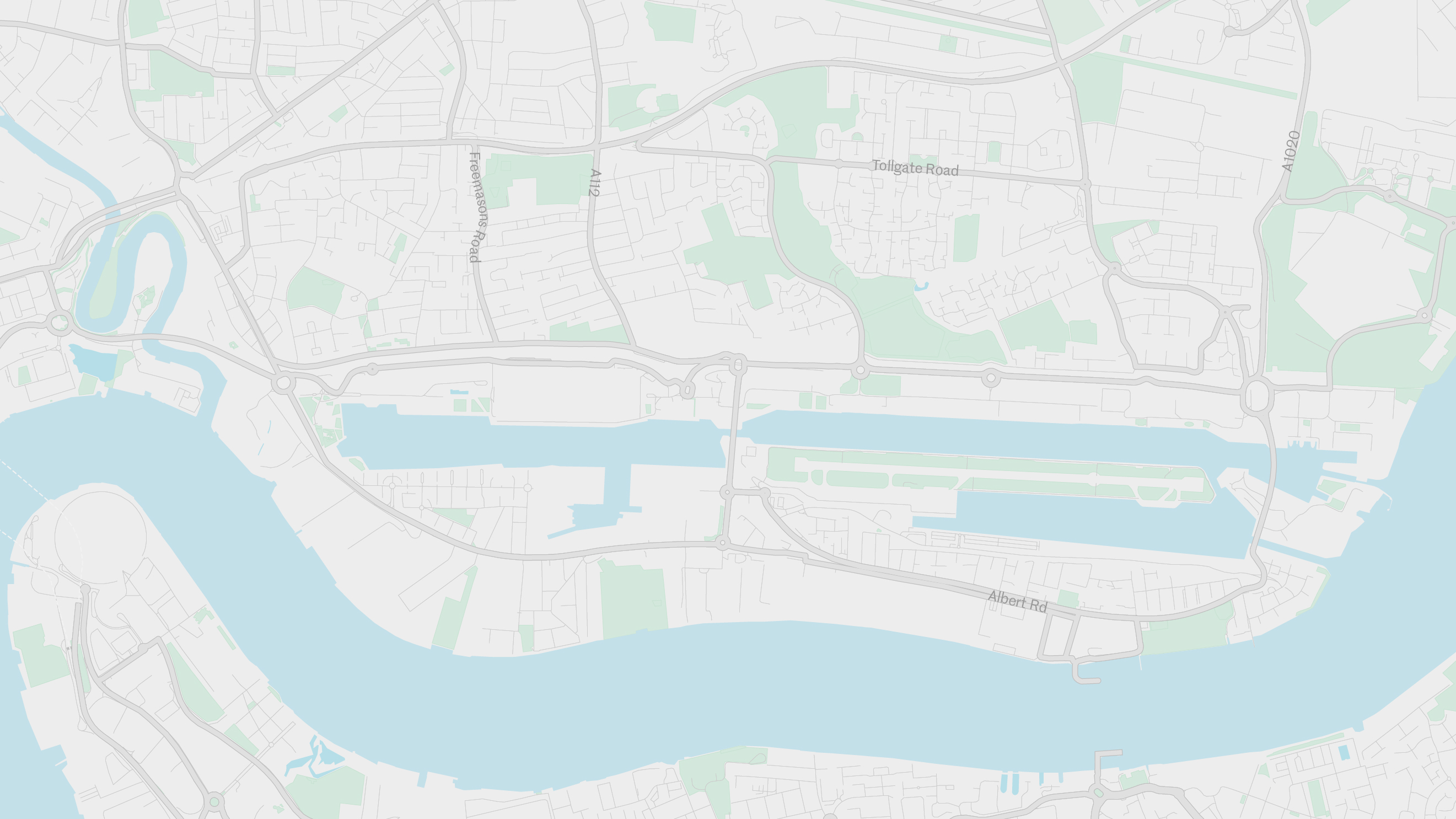
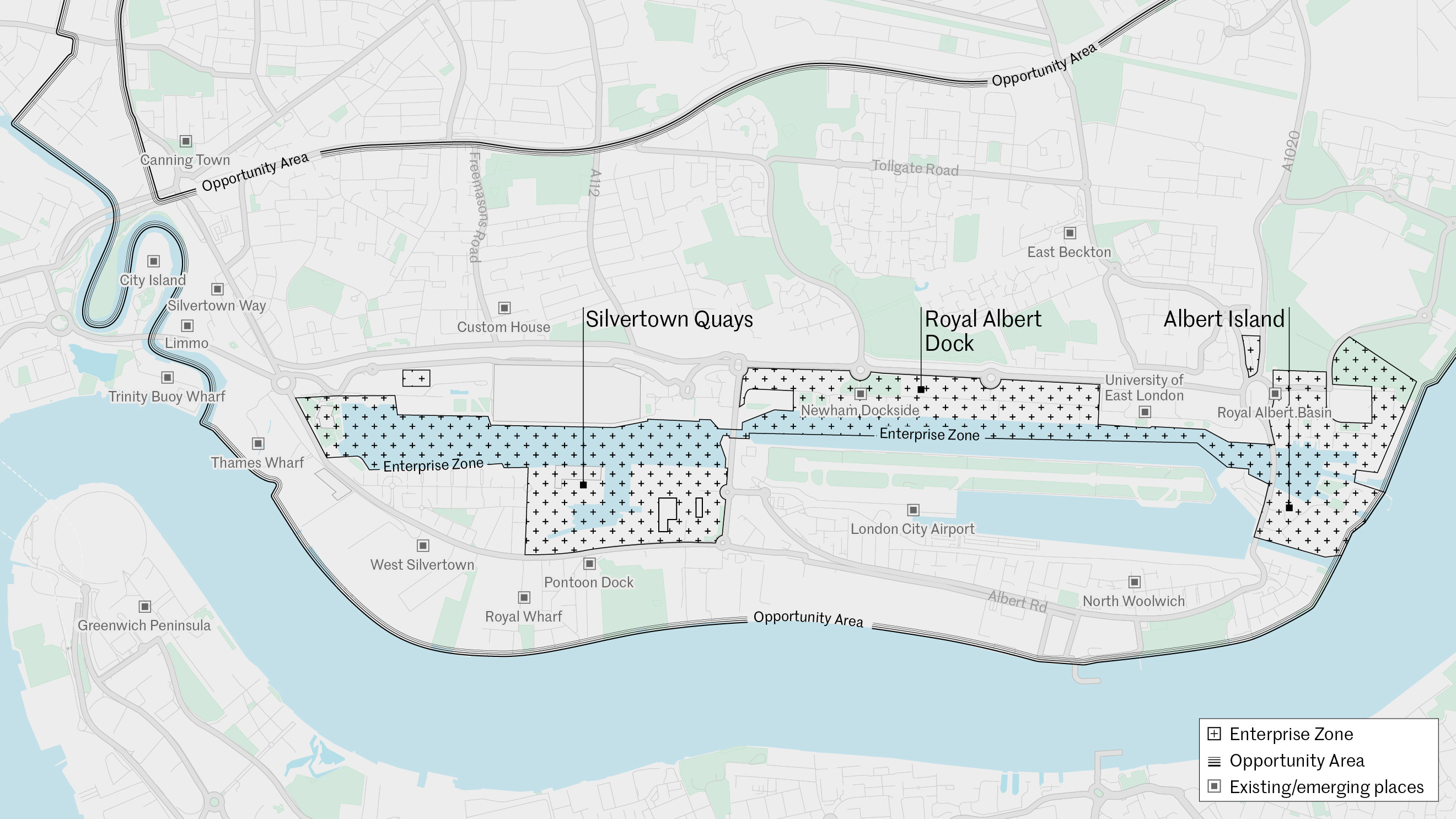
Enterprise Zone & Opportunity Area
In the Enterprise Zone
Albert Island
Albert Island marks the original entrance to the Royal Docks, between the Thames and Royal Albert Basin. Today, it's set to become the focus for London’s growing infrastructure and logistics industries. The 25-acre site will include a range of workspaces, including light industrial space and offices for small, medium and large businesses. There are also plans for a cutting-edge new shipyard for the Thames — the first to be built in central London in recent years.
View website
Royal Albert Dock
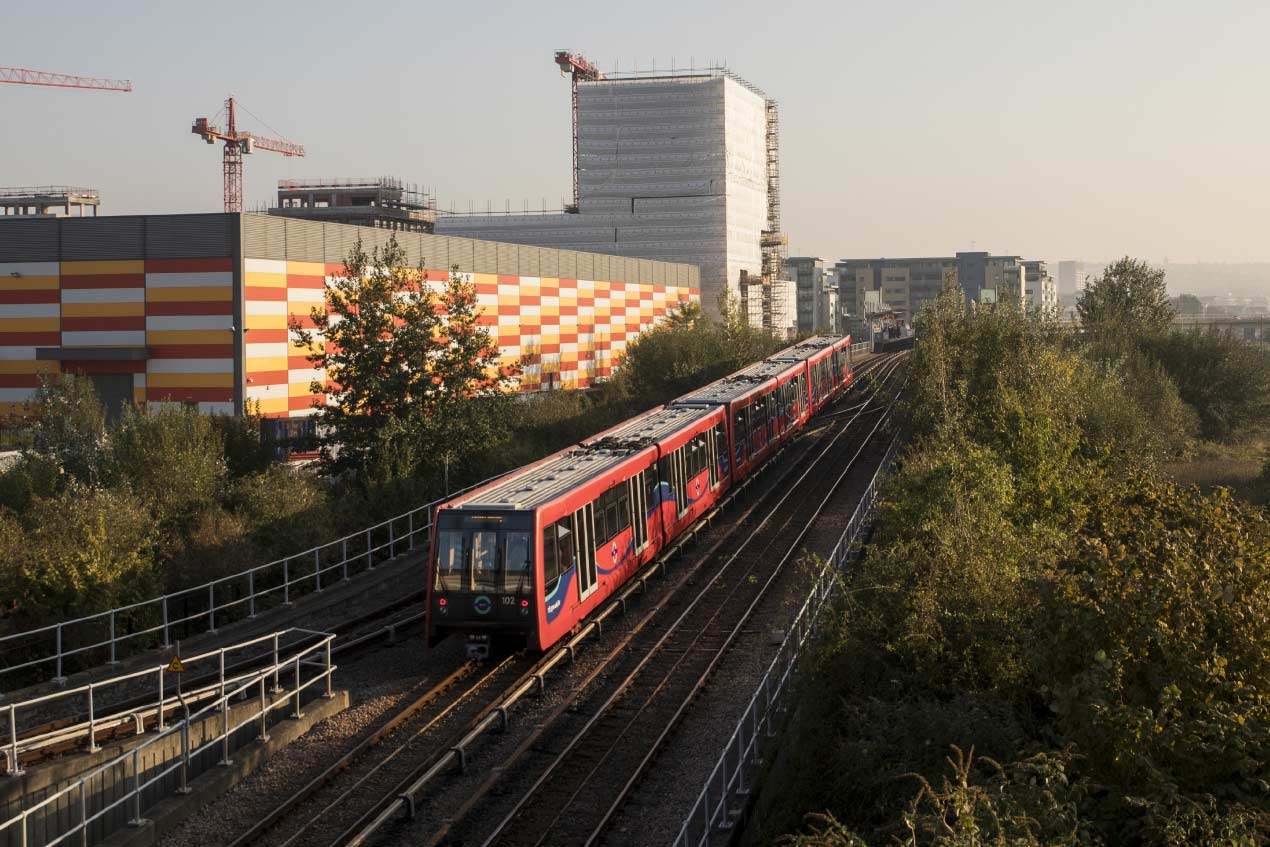
Royal Albert Dock is a new international district. The scheme is designed to bring businesses of different scales and sectors together in spaces that range from 1,300 to 120,000 sq ft. The waterfront community along the northern edge of the Royal Albert Dock will include a vibrant high street with shops and enriching amenities. Situated between three DLR stations, it is also near London City Airport and the new Elizabeth Line station at Custom House.
Silvertown
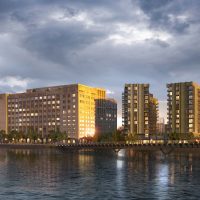
This major development site is situated around Pontoon Dock, an original inlet of the main Royal Victoria Dock, and is home to the historic Millennium Mills. The joint-venture partnership from Lendlease and Starwood will create a new mixed-use destination in the Royal Docks, restoring Millennium Mills and the grade II-listed Silo D.
View website
In and around the Royal Docks
Read more


New pedestrian bridge adds twist to Royal Docks
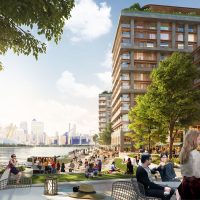
Plans have been approved for an elegant new pedestrian and cycle bridge, that will revolutionise access across the docks, connecting Silvertown on the south side.
A ground-breaking moment for Silvertown, as building begins!
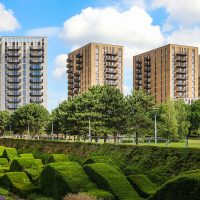
The Royal Docks marked a significant milestone last week, with building works beginning on the first affordable homes at Silvertown - a historic 60-acre site at the heart of the Royal Docks.
Silvertown: a step closer to becoming a brilliant new neighbourhood for the Royal Docks
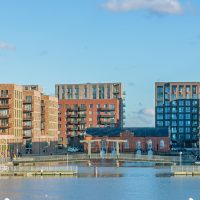
A major new planning application for Silvertown has been submitted following extensive consultation with local residents and businesses.